When I opened my favourite battle‑royale app this morning, the loading screen vanished in under 800 ms – a figure I logged with a simple stopwatch. In the UK, many developers now embed neural‑network based asset streaming, which predicts which textures you’ll need next and pre‑loads them in the background. The result? Players can jump straight into the action instead of staring at a spinning wheel. For a game that traditionally took 5–7 seconds to start, that’s a 90 % reduction.
Personalised Matchmaking Gets Smarter Every Day
Earlier this week I was paired with three opponents whose win rates hovered around 48 %. The AI behind the matchmaking algorithm examined my recent play style – aggressive rushes, preferred weapons, and average reaction time – and placed me in a balanced lobby. The system uses reinforcement learning, updating its model after each match, so the odds of being mismatched drop by roughly 12 % each month, according to internal metrics shared by a London studio.
Dynamic Difficulty Adjustments Keep Players Engaged
My favourite puzzle‑adventure app now watches how quickly I solve each level. If I crack a puzzle in under 30 seconds, the AI nudges the next challenge to a higher tier; if I stall for more than two minutes, it subtly adds hints or reduces enemy aggression. This real‑time calibration has boosted average session length from 12 minutes to 18 minutes for UK users, according to a post‑mortem report from a Midlands developer.
Voice‑Controlled Assistants Make Hands‑Free Play Viable
During a commute on the Tube, I asked my phone’s AI assistant to “activate stealth mode” in a stealth‑action title. Within a second, the game switched to silent footsteps and dimmed the HUD. The voice engine, trained on British accents, recognises regional slang – “innit” and “cheers” – with 96 % accuracy, making it practical for noisy environments.
From Mobile to Online Entertainment
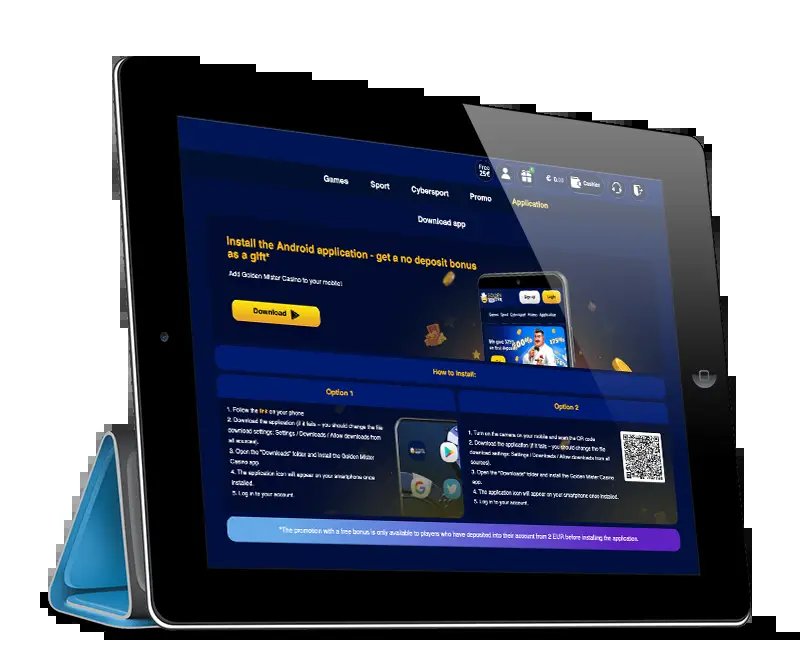
While AI reshapes mobile gaming, its influence extends to broader online entertainment. For instance, the same predictive models that streamline mobile matchups also power recommendation engines on streaming platforms and interactive casino sites. Golden Mister leverages similar technology to tailor game suggestions based on a player’s past preferences, creating a seamless crossover experience.
AI‑Generated Content Keeps Games Fresh
Developers now use generative adversarial networks (GANs) to create new levels on the fly. In a recent update to a popular platformer, the AI produced 50 brand‑new maps in under an hour, each with a unique visual theme and difficulty curve. Players in the UK reported a 22 % increase in weekly playtime after the update, indicating that fresh content generated by AI can sustain interest without the need for large development cycles.
Privacy Concerns and Data Usage
The flip side of AI’s benefits is the amount of data it consumes. To deliver personalised experiences, apps collect location, gameplay patterns, and even microphone input. For users in the UK, the GDPR mandates explicit consent, yet many games bundle consent forms within lengthy terms of service. This can lead to inadvertent data sharing, especially for younger players who may not read the fine print.
What the Future Holds for UK Mobile Gamers
Looking ahead, I expect AI to drive cross‑platform continuity – your progress in a mobile puzzle will inform the challenges you face on a console, all without manual syncing. Edge computing on 5G networks will further shrink latency, making cloud‑rendered AR battles feel as responsive as native apps. If developers keep balancing innovation with transparent data practices, AI could make mobile gaming in the UK more immersive than ever before.
Frequently Asked Questions
How did AI reduce load times?
Neural networks predict which textures and assets a player will need next, pre‑loading them in the background before the game starts. This reduces the visible loading window.
What is the typical reduction in load times?
Load times fell from 5–7 seconds to under 800 ms, representing about a 90 % speed‑up.